Showing posts with label Sức khỏe - Đời sống. Show all posts

01 January 2019

What Happens to Your Body 10 Hours After You Apply Nail Polish


What Happens to Your Body 10 Hours After You Apply Nail Polish

Even the most health-conscious people can fail to consider how nail polish is affecting their bodies. But a recent study found that many of the most popular nail polish brands in America are much more harmful than they would seem.

What The Research Shows

Researchers recently tested for signs of chemical toxins in 24 women participating in their study. They found evidence of toxins in the bodies of every single woman. What was the source of these chemicals? Nail polish.
The results showed that 100% of the participants showed signs of triphenyl phosphate only 10 hours after applying nail polish. This type of conclusive result is remarkable, and it’s also alarming.
In a follow-up study, the same researchers tested ten different nail polishes for triphenyl phosphate and discovered the chemical in 8. Two of those polishes that tested positively for the chemical did not disclose it on their product label.

This could mean that up to 20% of nail polishes sold in our country contain a dangerous chemical that isn’t listed as an ingredient.

What is Triphenyl Phosphate?

 chemicals_in_nail_polish_content

One of the biggest concerns about triphenyl phosphate (or TPHP) is that it is known to disrupt humans’ endocrine system, which controls all our hormones. Head researcher, Dr. Heather Stapleton, voiced her concerns, saying, “There is growing evidence suggesting that TPHP may affect hormone regulation, metabolism, reproduction, and development.”
This is particularly harmful to the young girls who use nail polish regularly since healthy hormonal development is an essential part of their growth. Nevertheless, TPHP poses a serious health risk to anyone exposed to it. It’s also known for being: 

  • Neurotoxin (developmental effects)
  • Endocrine Toxin
  • Reproductive Toxin
  • Skin irritant and allergen

Other Health Threats

Formaldehyde

Formaldehyde is a well-known carcinogen that can dissolve in water and air (you know that strong nail polish smell?). Exposure to this chemical can also produce symptoms of a scratchy throat, asthma, and difficulty breathing. Those with chronic diseases are especially susceptible to poisoning from formaldehyde.

Toluene

This chemical is known to impede development in children (and some scientists found traces of it in breast milk!). Additionally, it can be irritating to the skin upon exposure.

Dibutyl Phthalate

Some nail polish brands swap this phthalate for TPHP, but it’s no better for your health. In fact, it poses similar health risks such as hormonal disruption and reproductive system toxins.

Natural Nail Polish Alternatives

safe-nail-polish-for-kids
Luckily, there are some companies who decided to respond to the discoveries of dangerous nail polish ingredients. There are a handful of awesome, natural alternatives that don’t contain the same risks of allergies, cancer, and hormone disruption.

Here are some of our favorite options that offer a great selection at great prices!
  1. Honeybee Gardens carries a line of natural nail polish in a wide variety of colors. These are actually water-based (so they remove effortlessly with your standard rubbing alcohol) and contain absolutely no traces of dangerous chemicals or carcinogens.
  2. Acquarella has a selection of over 50+ nail polish colors. These are all water-based and don’t contain any formaldehyde, toluene, dibutyl phthalate, mercury, or wheat products.
  3. SpaRitual is a toxin-free brand of nail polish that is also totally vegan!
  4. Peacekeeper Cause-Metics also has a few bright nail polishes that are infused with argan oil, as well as being toxin-free. This one’s a great way to make a classic color keep your nails moisturized.
Your mani-pedi should be a fun way to express yourself, and not a threat to your health, or the health of your growing children. But it’s easy to make the switch to health-conscious nail polish without compromising your wallet OR your sense of style!

Source
https://www.healthy-holistic-living.com/non-toxic-nail-polish.html?utm_source=NM&utm_content=29784-DW1H&fbclid=IwAR29cmNG9XmKwEsitJLDt4Q8nFStFYcTH44FRyxpeCUOYbzxNEcVTcYCxAo

16 April 2018

8 Động Tác: Bài thể dục chăm sóc ngón tay, nhẹ nhàng đánh đuổi bệnh tật, người trung niên và người lớn tuổi cần học!

Trung y nói, tay là bộ phận thu nhỏ của lục phủ ngũ tạng trong cơ thể người. Dưỡng tay để trị bệnh vừa không tốn tiền, không có tác dụng phụ, mà hiệu quả lại rất tốt. Ai cũng nói bệnh người già là một chuyện phức tạp, thực ra chỉ cần chăm sóc đôi tay là giải quyết được hết!


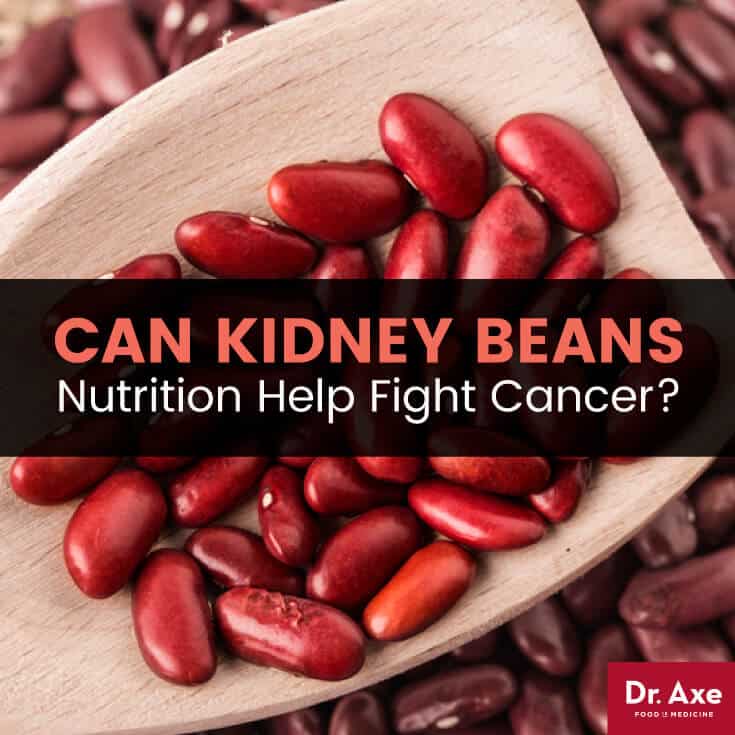
Đậu đỏ trị tiểu đường, mẩn ngứa, mụn nhọt (Kidney Beans Nutrition Helps Fight Diabetes, Heart Disease & Even Some Cancers)


Báo tin mừng cho ai bị cao đường trong máu -bài thuốc tôi mới học được từ một bác  ở nước ÚC (Australia):
 
Cách nấu:
  • Ngâm ½ kilogram đậu đỏ (dark red kidney beans) khô trong nước ít nhất 24 tiếng.
  • Bỏ vào nồi crock-pot hầm 8 tiếng với nhiệt độ thấpLượng nước lưng-lưng nồi crock-pot.
  • Chắt lấy nước uống như uống trà.
  • Nếu tiết kiệm đậu còn sẫm màu đỏ thì thể lấy xác đậu nấu lại lần thứ nhì hoà với nước nhất để uống.
*Tôi đã dùng  thấy rất hiệu nghiệm. Trước đây lượng đường của tôi từ 278 xuống 174 sau 2-tuần uống, nay chỉ còn 109 sau 1-tháng.

Image result for crock pot
Nồi nấu chậm (Crock-Pot slow cooker)

Image result for dark red kidney
Dark Red Kidney Beans (Đậu đỏ)


-Tôi đã làm phần này 
Xin phổ biến để làm phước.
============

Đậu đỏ trị tiểu đường, mẩn ngứa, mụn nhọt

Đậu Đỏ: có tên thuốc trong Đông y là xích tiểu đậu. Dược liệu hạt già mẩy, vỏ đỏ, nhân hồng, khô, rắn, chắc, không mốc mọt. Tạng nhiệt thì dùng sống, tạng hơi hàn thì sao qua (có thể sao đen tồn tính có công dụng an thần, lợi tiểu) nhưng thường dùng sống.
Đậu đỏ vị ngọt chua, tính bình, vào 2 kinh tâm và tiểu tràng có tác dụng thanh nhiệt, lợi thủy, tiêu sưng tấy, rút mủ, cầm máu. Chủ trị phù thũng, nhiệt miệng, mẩn ngứa, mụn nhọt, mề đay, bệnh ngoài da. Theo Y học hiện đại, đậu đỏ có tác dụng kháng khuẩn, tiêu viêm, lợi tiểu, hạ cholesterol và chống ung thư.
Image result for dark red kidney
Dard Red Kidney Beans
Trị viêm thận cấp tính: đậu đỏ 50g, cá chép 1 con, bí đao 1kg, hành hoa. Chế biến thành món canh cá chép đậu đỏ rồi ăn cả nước lẫn cái. Ăn nóng, ngày ăn 1 lần, ăn liên tục 5-7 ngày.
Trị phù thũng, tiểu tiện không thông: đậu đỏ 20g, hạt bo bo 30g, gạo tẻ 30g. Đậu đỏ ngâm mềm nấu trước, rồi cho gạo tẻ, hạt bo bo vào nấu nhừ, thêm đường. Ngày ăn 2 lần.
Thuốc thanh nhiệt, lợi thủy, tĩnh tâm, an thần: đậu đỏ 20g, đảng sâm 8g, đương quy 8g, tim lợn 1 quả, nấm hương vừa đủ. Tất cả hầm mềm, ăn cái, uống nước.
Trị viêm tiểu cầu thận: đậu đỏ 90g, râu ngô 60g, táo đỏ 20g, thêm đường vừa đủ. Nấu nước uống trong ngày (thời gian điều trị từ 1 – 3 tháng).
Trị tiểu đường, mẩn ngứa, mụn nhọt: đậu đỏ 30g, bí đao 1kg. Đậu đỏ nấu trước với nước cho mềm, bí đao cho vào sau. Ăn cái, uống nước.
Bổ khí huyết, kiện tỳ ích vị, tăng cường sức khỏe: đậu đỏ 30g, chim cút 2 con, gừng tươi 3 lát. Hầm mềm, nêm gia vị, ăn nóng.
Theo Suckhoedoisong
=====================================

Kidney Beans Nutrition Helps Fight Diabetes, Heart Disease & Even Some Cancers


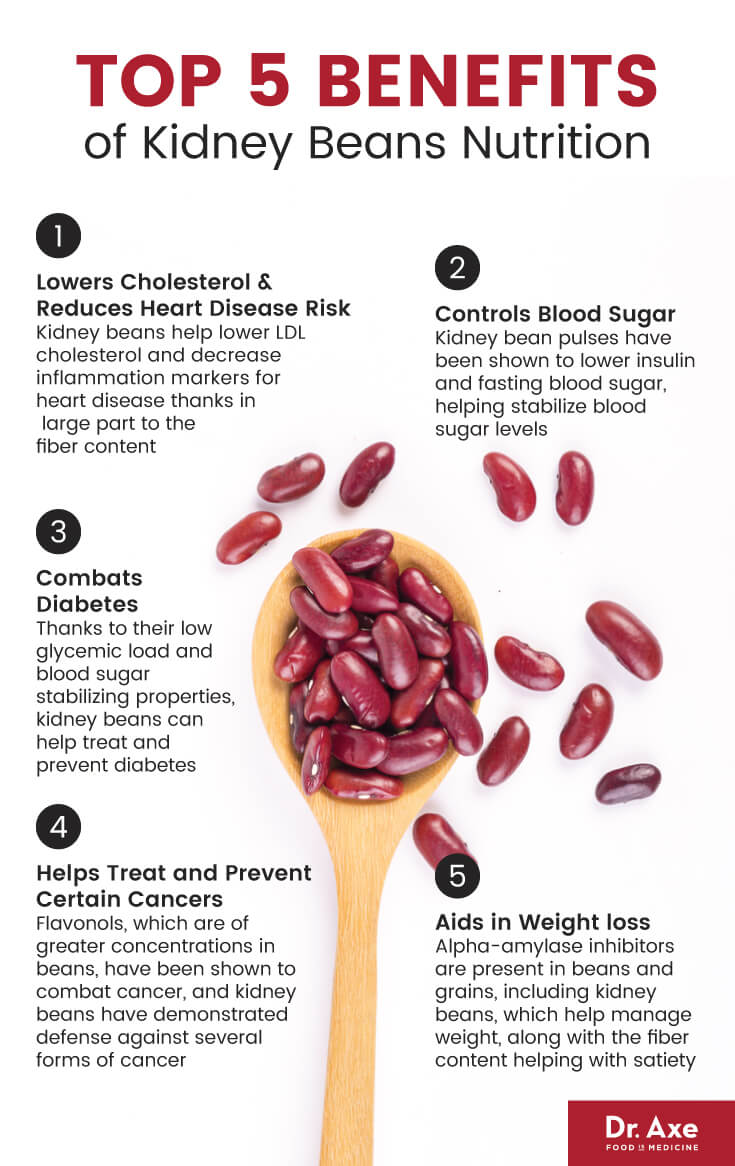
Kidney beans nutrition - Dr. Axe

Benefits of kidney beans nutrition - Dr. Axe


https://draxe.com/kidney-beans-nutrition/

Kidney Beans Nutrition Facts

Kidney beans (Phaseolus vulgaris), also known as “common beans,” come from a twining, annual plant, where each alternating leaf consist of three broad to rhombic ovate pointed leaflets. The flowers are purple, yellow or white in the form of axillary sparse clusters. The material of the kidney bean pods are curled, yellow-white and thin pieces that take up to 15 centimeters of the fruit wall.
The color of the beans depends on the variety. Red kidney beans have the dark red color, firm texture and glossy skin, making them the most common bean used in chilis, stews, soups and other dishes.
Kidney beans are very nutritious and a one-cup serving size of cooked kidney beans contains about:
  • 219 calories
  • 39.7 grams carbohydrates
  • 16.2 grams protein
  • 0.2 gram fat
  • 16.5 grams fiber
  • 131 micrograms folate (33 percent DV)
  • 5.3 milligrams iron (29 percent DV)
  • 0.6 milligram manganese (28 percent DV)
  • 0.5 milligram copper (26 percent DV)
  • 243 milligrams phosphorus (24 percent DV)
  • 742 milligrams potassium (21 percent DV)
  • 85.0 milligrams magnesium (21 percent DV)
  • 0.2 milligram thiamine (15 percent DV)
  • 117 milligrams calcium (12 percent DV)
  • 1.5 milligrams zinc (10 percent DV)
  • 0.6 milligram vitamin B6 (9 percent DV)
  • 0.1 milligram riboflavin (6 percent DV)
  • 1.0 milligrams niacin (5 percent DV)
  • 0.4 milligrams pantothenic acid (4 percent DV)
  • 2.1 milligrams vitamin C (4 percent DV)
  • 2.1 micrograms selenium (3 percent DV)
Kidney beans are considered to be a “whole food” due to their high content of starch, dietary fiber, minerals, vitamins, antioxidants and phenolic acids, such as anthocyanins, flavonoids, flavonol glycosides, tannins and phenolic acids. These components have been correlated with the prevention and/or diminish of several types of diseases, such as cancer, cardiovascular disease, diabetes and obesity.
The integrity of the gut barrier and the beneficial gut microbiota profile and activity improve greatly when non-resistant fiber from kidney beans are consumed. These bioactive compounds in kidney beans nutrition maybe beneficial in various of chronic inflammatory mucosal pathologies by exerting anti-inflammatory effects and support commensal bacterial growth in the gastrointestinal tract. Based upon their nutritious composition, kidney beans are a beneficial addition in various of diets in order to promote overall health.